© 2020. Agriturismo Bellavista

Località da visitareSiena
Località da visitareVolterra
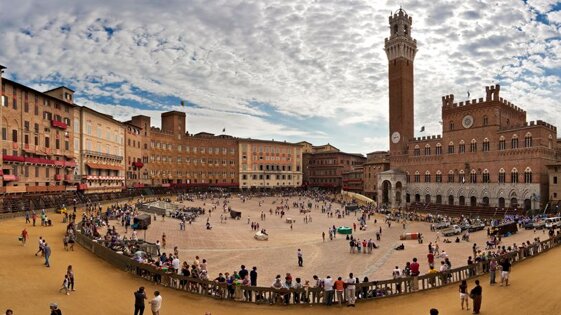
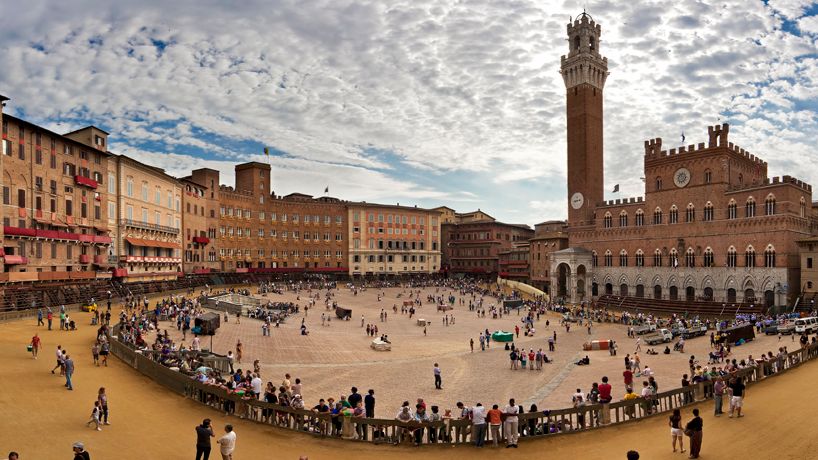
SIENA
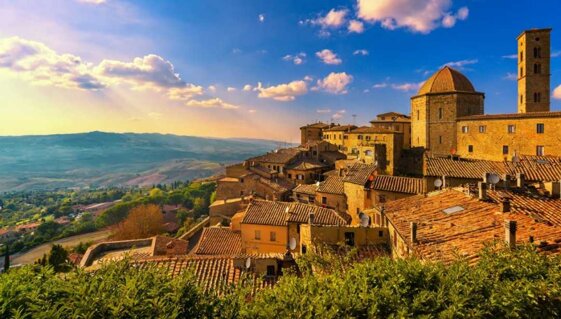
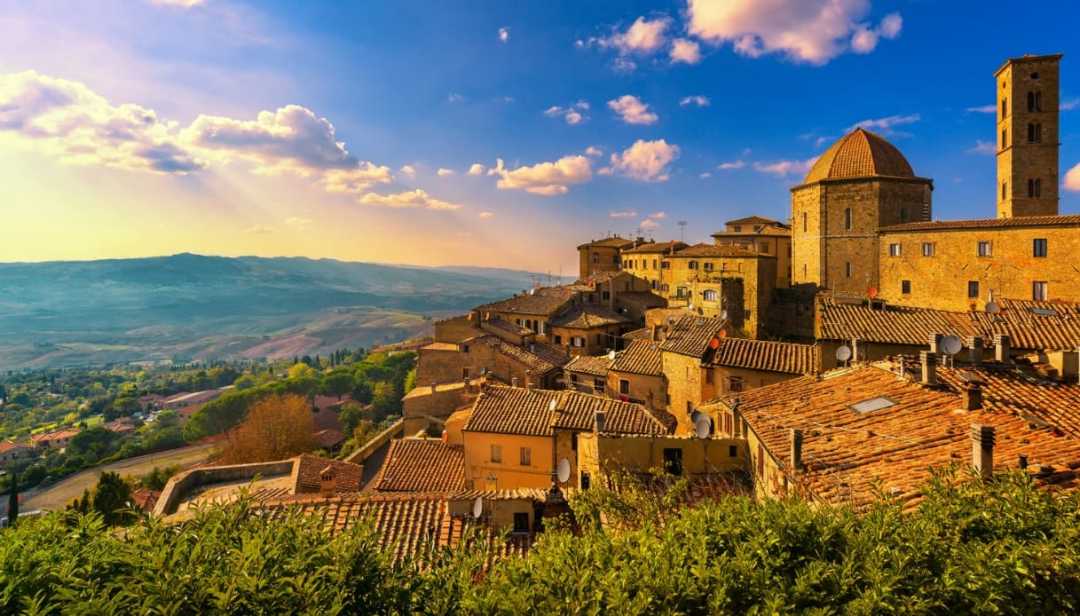
VOLTERRA
La piazza si trova nel punto nodale dove si diramano le tre principali vie cittadine, spine dorsali dei Terzi, distinguendosi come uno unitario di sublime armonia, frutto più alto della passione senese per la bellezza, manifestata precocemente dal popolo ancora prima del celebre statuto del 1262 dedicato all'urbanistica e all'estetica cittadina. Ciò ne fa una delle più alte creazioni dell'urbanistica medievale.La piazza è famosa anche perché accoglie due volte all'anno, esattamente il 2 luglio e il 16 agosto, il Palio delle Contrade. Si tratta di una corsa di cavalli unica al mondo che vede confrontarsi le diciassette storiche contrade che compongono la città toscana.
La corsa è composta da tre giri intorno alla pista che circonda la piazza, pavimentata con lastre di pietra serena, che viene cosparsa di uno strato di polvere di tufo di opportuno spessore, tale da consentire ai cavalli di correre, non senza plateali scivolate in corrispondenza delle curve. Fra queste, una delle più critiche è la "curva di San Martino". La corsa, che si svolge in modo sfrenato e spesso senza riserve di colpi bassi, talvolta cruenta, porta alla vittoria una sola contrada.
Ingredienti fondamentali per un "Palio perfetto" sono la coppia formata dal cavallo e dal relativo fantino che ciascuna contrada riesce a mettere insieme, uniti sempre ad una indispensabile dose di fortuna e ad una folla sempre entusiasta e partecipe.
La città di Volterra e il suo splendido circondario sono, probabilmente, in Toscana, una delle realtà più diversificate e ricche di attrazioni. L'indiscutibile tradizione storica si unisce alla splendida natura che offre, dalla morfologia, alla vegetazione, alla fauna, un patrimonio davvero imponente.
A Volterra la storia ha lasciato il suo segno con continuità dal periodo etrusco fino all'ottocento, con testimonianze artistiche e monumentali di grandissimo rilievo, che possono essere ammirate semplicemente passeggiando per le vie del centro storico, ma anche visitando i musei cittadini: il Museo Etrusco, la Pinacoteca Civica, il Museo d'Arte Sacra, l'Ecomuseo dell'Alabastro.
Accanto a questi monumenti si può trovare un paesaggio incontaminato, una qualità della vita ancora a dimensione umana e un artigianato artistico unico al mondo: l'alabastro.
Località da visitareFirenze
Località da visitareSan Gimiganno
FIRENZE
SAN GIMIGNANO
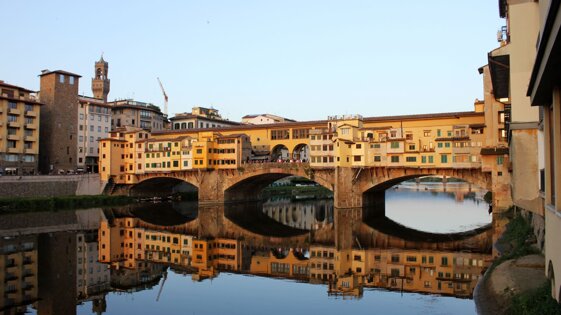
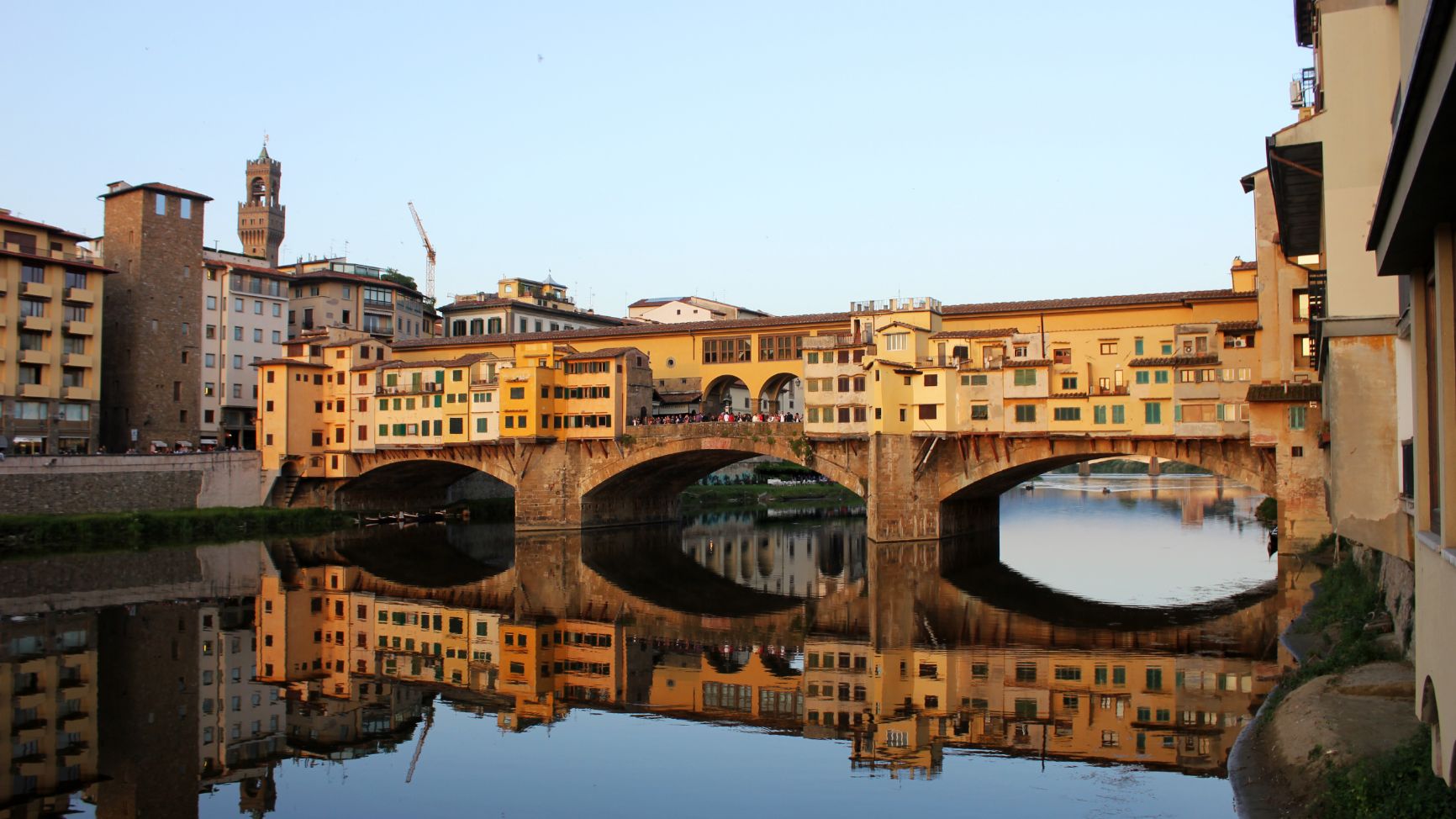
Firenze si trova in una posizione scenografica, al centro di un'ampia conca ad anfiteatro all'estremità sud-orientale della piana di Firenze-Prato-Pistoia, circondata su tre lati dalle incantevoli colline argillose di Cercina, appena sopra il quartiere di Rifredi e l'ospedale di Careggi (a nord), dalle colline di Fiesole (a nord-est), di Settignano (a est), e di Arcetri, Poggio Imperiale e Bellosguardo (a sud).
La piana dove sorge la città è attraversata dall'Arno (la città stessa divide il suo corso fra Valdarno superiore e Valdarno inferiore) e da corsi d'acqua minori come il Mugnone, il Terzolle e il fiume Greve.
L'area metropolitana Firenze - Prato - Pistoia istituita dal Consiglio Regionale della Toscana il 29 marzo 2000 comprende interamente le province di Firenze, Prato e Pistoia, con una popolazione di circa 1 520 000 abitanti. Le zone pianeggianti dell'area metropolitana costituiscono un ambiente fortemente antropizzato con presenza di ampie zone industriali e commerciali, dove gli spazi naturali sono ridotti. Le zone collinari hanno da secoli una vocazione agricola e abitativa, con i boschi originari fortemente ridotti, specialmente nelle zone a sud e ad est della città. Nella piana sono presenti aree umide non urbanizzate nella zona ad ovest della città lungo il fiume Arno.
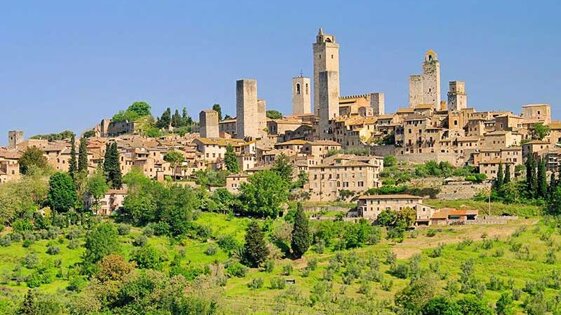
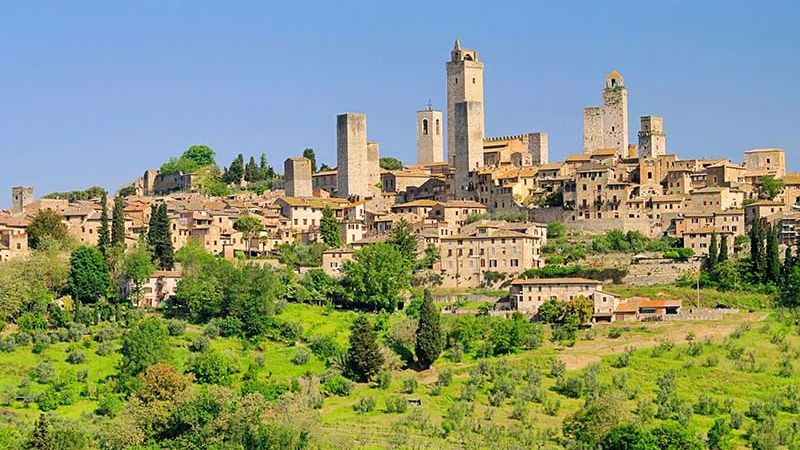
San Gimignano sorge su un luogo abitato sicuramente dagli etruschi, almeno dal III secolo a.C. Il colle era stato scelto per questioni strategiche, essendo dominante (324 m s.l.m.) sull'alta Val d'Elsa.
Sulle pendici del Poggio del Comune (624 m s.l.m.) sono presenti i ruderi di Castelvecchio, un villaggio di epoca longobarda. Nel Medioevo la città si trovava su una delle direttrici della via Francigena, che Sigerico, arcivescovo di Canterbury, percorse tra il 990 e il 994 e che per lui rappresentò la XIX tappa (Mansio) del suo itinerario di ritorno daRoma verso l'Inghilterra. Sigerico la nominò Sce Gemiane, segnalando il borgo anche come punto di intersezione con la strada fra Pisa e Siena.
Secondo la tradizione il nome derivò dal santo vescovo di Modena, che avrebbe difeso il villaggio dall'occupazione di Attila.La prima cinta muraria risale al 998 e comprendeva il poggio di Montestaffoli, dove già esisteva una rocca sede di mercato di proprietà del vescovo di Volterra, e il poggio della Torre con il castello vescovile.

© 2020. Agriturismo Bellavista